Marketing, Analytics & Growth Systems That Drive Measurable Results
We help organizations improve growth and operational performance by combining data analysis, content strategy, and scalable marketing systems.

Aiden Johnson | Founder
About Me
My career has taken an unconventional path, from engineering, business development to business intelligence, analytics, marketing strategy, and content creation, but every step has reinforced one belief: sustainable growth doesn't happen by accident. It's engineered.
Over the past several years I've worked with and for hundreds of businesses, from SMBs to Fortune 500 Companies, I’ve helped leaders better understand their customers, improve decision-making, and build systems that scale. Whether I'm analyzing performance data, refining a company's positioning, designing a content strategy, or optimizing internal workflows, my goal is always to identify the biggest constraint to growth and solve it.
That philosophy eventually led me to found CTRL Social, a collective of consulting, marketing, and branding solutions. Rather than selling isolated marketing tactics, I partner with founders, and organizational leaders to improve the systems behind their marketing, operations, analytics, and client acquisition, creating businesses that are easier to scale and easier to lead.
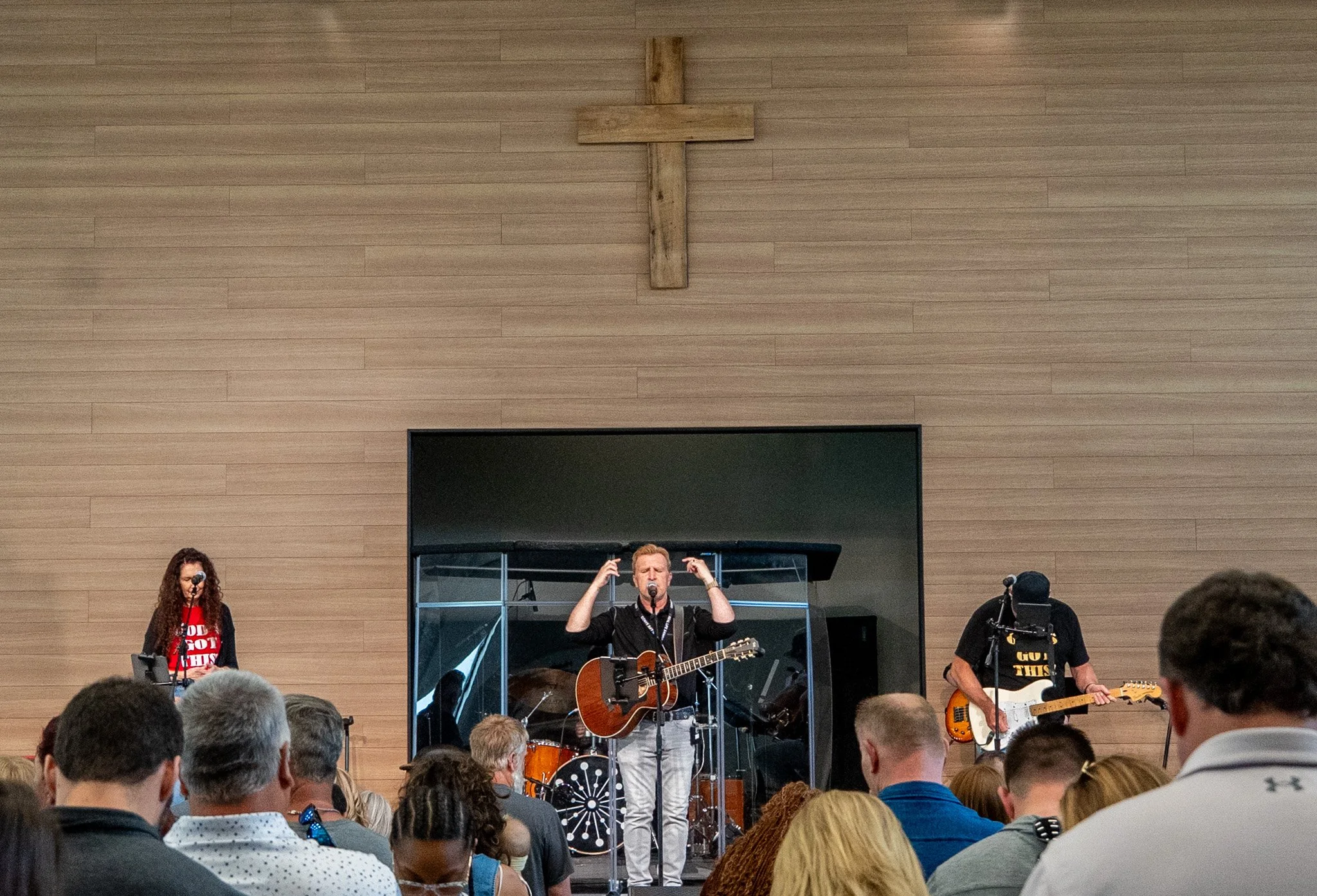
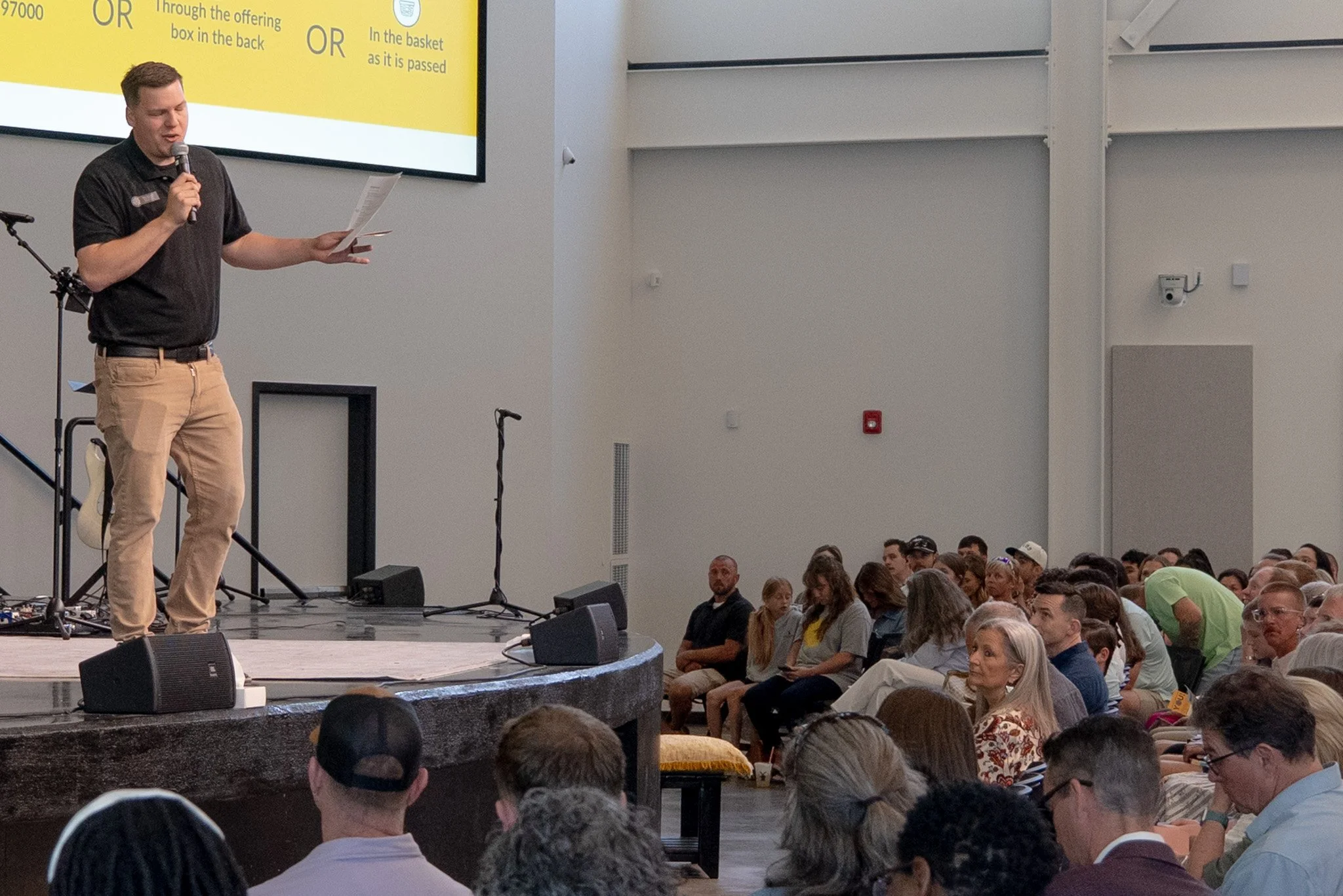
Alongside my work in the business world, I've also spent plenty of time serving in ministry communications, supporting rapidly growing churches through storytelling, digital strategy, creative systems, and operational improvements. That experience taught me that great communication isn't just about visibility, it's about building trust, creating clarity, and helping people take meaningful next steps.
Today, I continue to work at the intersection of business consulting, analytics, marketing strategy, AI, and operational excellence. I'm especially energized by complex business challenges where data, creativity, and systems thinking come together to unlock growth.

Consulting Case Studies
-
The Constraint: Leads were disappearing between first touch and closed sale, and no single team had visibility into the full pipeline to see where.
The Diagnosis: Led a cross-functional analysis alongside a team of business intelligence analysts and an Operations Director, mapping the full outbound sales and business development pipeline end-to-end to find where opportunities were leaking out.
The Result: The analysis drove a 20% increase in closed sales across the contract from the outbound/business development motion.
Outcome: A full-pipeline view surfaced leakage points that no single team-level report had caught, and fixing them moved closed revenue, not just activity metrics.
-
The Constraint: Lost deals were being written off as "not a fit," with no visibility into how much of that was actually a coaching gap.
The Diagnosis: Analyzed 39,897 dials, 8,139 calls, and over 2,088 meaningful conversations (1+ minute) across the outbound sales motion. Found that 20.8% of lost opportunities were lost specifically to ineffective objection handling, a behavioral, coachable gap, not a market or product problem.
The Result: Built performance insights into new talk tracks and training, developed directly with sales enablement and upper management. Modeled a potential ~22.1% (Conservative) increase in sales output if the objection-handling gap closed.
Outcome: Reframed a chunk of "lost deals" as a training problem instead of a lead-quality or market problem, and gave the org a specific, measurable target to train toward.
-
The Constraint: A large enterprise client (annual revenue in the hundreds of millions) was managing accounts receivable and client retention with processes that hadn't scaled alongside the business.
The Diagnosis: Worked directly with the client's finance leadership to assess how receivables were tracked, collected, and reported, and how retention was managed alongside that process.
The Result: Rebuilt the AR process and the client-retention approach from the ground up, aligning both to how the business actually operated at its current scale.
Outcome: Replaced processes built for an earlier stage of the business with systems built for the one the client had actually grown into.
-
The Constraint: A growing private equity firm was running invoicing and CRM on legacy systems that no longer matched the complexity of the business.
The Diagnosis: Partnered with firm leadership to evaluate the existing systems, plan the sunset of the legacy invoicing and CRM tools, and scope the replacement project across the full company.
The Result: Delivered a project scope and transition plan covering the entire organization, setting up the systems overhaul that followed.
Outcome: Gave a scaling firm a clear, sequenced path off legacy infrastructure instead of a patchwork of workarounds.
-
The Constraint: Sales managers were manually listening to call recordings to coach reps, a real bottleneck on their time that limited how much coaching actually happened.
The Diagnosis: Identified the manual review process as the constraint limiting coaching frequency and built an AI automation to listen to and flag calls for sales enablement and management.
The Result: Saved an estimated 5-10 hours per week in manual call review, freeing that time for direct coaching instead of passive listening.
Outcome: Automated the bottleneck task so the team's time went to coaching, not searching for what to coach on.
-
The Constraint: A meaningful share of leads were being marked "unpassable" with no one able to say why, or whether it was a lead-quality problem or a systems problem.
The Diagnosis: Analyzed 405 unpassable leads (9.1% of total volume) and traced the root cause. 60.7% of those leads weren't bad leads at all, they were being misqualified by inefficiencies in the CRM's pipeline logic. Nearly 70% of the actual bad leads traced back to a single campaign source.
The Result: The findings redirected the fix from "the leads are the problem" to "the filtering logic and one campaign source are the problem", leading to corrective changes in campaign spend and CRM workflow, and a measurable lift in sales productivity and closed deals.
Outcome: Replaced a vague lead-quality complaint with a precise, fixable root cause, and the fix was cheaper than the assumption everyone started with.
-
The Constraint: A rapid platform migration created a blind spot, the team could see activity volume going up, but no one had connected that to what it meant for revenue.
The Diagnosis: Analyzed 20,474 outbound dialing interactions following the migration to a new outbound platform. Outbound volume had increased 25%, but the appointment-setting rate had dropped from 6.7% to 4.9%, a tradeoff nobody had quantified yet.
The Result: Modeled the net effect of the new system and projected roughly a 20% increase in monthly revenue potential from the added capacity, once the conversion drop was accounted for. The findings were used directly in stakeholder decision-making on outbound strategy and folded into BI forecasting for the new system's KPIs.
Outcome: Turned a "volume is up" narrative into a quantified, decision-ready view of what the new system actually changed, and what it would take to capture the upside.
Videograpahy
This video demonstrates the full range of my social media and content production skills, from planning and filming to editing and publishing. It was created and executed entirely by me as a project for my church.
Photography